The Premise: The Evolution of Maintenance
For decades, the “oil change” was viewed as a simple, transactional chore—a quick drain and fill performed every few months. However, as modern vehicles have transitioned into complex machines governed by intricate hydraulic systems and computer-integrated components, the humble oil change has evolved. It is no longer just about the lubricant; it is about the ecosystem of the engine. A vehicle is only as reliable as its weakest link, and often, that link is a part buried deep within the chassis that the average driver never sees. The 20-point inspection is the bridge between basic upkeep and long-term automotive survival.
Introduction: Beyond the Dipstick
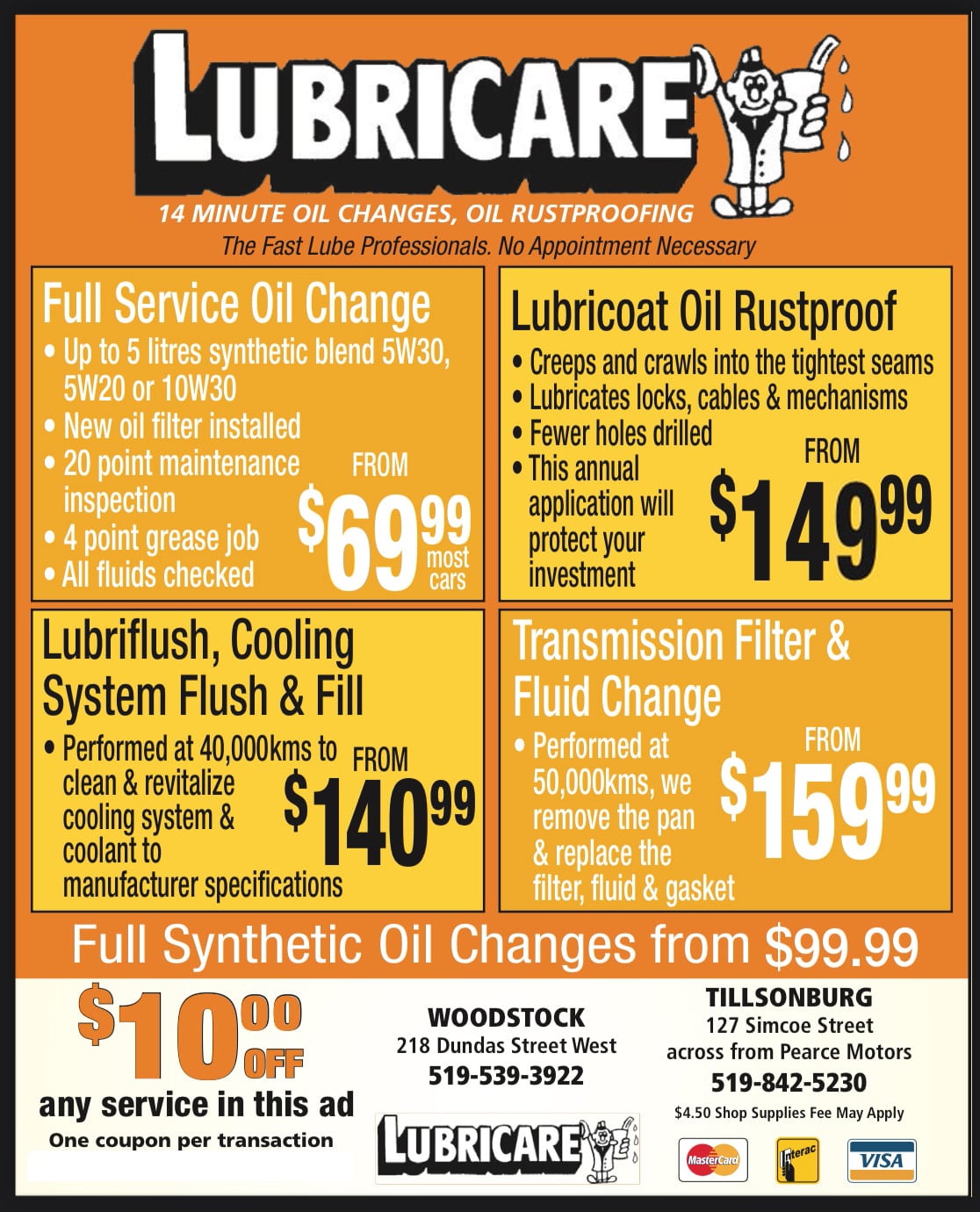
When you pull into a service bay, you aren’t just paying for five liters of synthetic blend and a new filter. You are investing in a comprehensive diagnostic sweep designed to catch “silent killers” before they turn into “highway breakdowns.” At Lubricare, we believe that an oil change without an inspection is like a physical without a blood pressure check—it’s only half the story. Our 20-Point Vehicle Inspection is a systematic deep dive into the vitals of your car. From the tension of your serpentine belt to the clarity of your differential fluid, we treat every bolt and fluid reservoir as a critical mission component. This article breaks down the immense value hidden within those twenty checks, explaining why the “extra” steps are actually the most essential parts of your visit.
1. Breathing Room: Air and Cabin Filter Analysis
The engine’s ability to “breathe” directly impacts fuel efficiency and horsepower, while the cabin filter dictates the quality of the air you breathe inside the vehicle. During our inspection, we don’t just glance at these filters; we remove them to inspect for particulate buildup, mold, or debris. A clogged engine air filter can force your engine to work harder, leading to “rich” fuel mixtures that waste money at the pump. Similarly, a neglected cabin filter becomes a breeding ground for allergens and musty odors.
- Key Inspection Metrics:
- Visual check for “light-pass” transparency through the filter pleats.
- Assessment of debris such as leaves, insects, or rodent nesting.
- Evaluation of the filter seal to ensure no “dirty air” bypasses the intake.
- Odor detection within the HVAC system linked to cabin filter saturation.
- Verification of the PCV (Positive Crankcase Ventilation) valve for carbon clogs.
- Checking for moisture or oil blow-back on the air filter surface.
- Ensuring the filter housing clips and screws are secure and airtight.
- Reviewing the service interval history against current filter condition.
2. The Hydraulic Lifeblood: Brake and Power Steering Fluid
Hydraulic fluids are the muscle of your car. Brake fluid is hygroscopic, meaning it naturally absorbs moisture over time, which can lower its boiling point and lead to “spongy” brakes. Power steering fluid, on the other hand, keeps your steering rack lubricated and responsive. We check these levels and the condition of the fluid to ensure your safety systems are operating at peak pressure.
- Key Inspection Metrics:
- Measurement of fluid levels against the “Min/Max” reservoir lines.
- Color analysis (clear/amber vs. dark/burnt) to detect oxidation.
- Moisture content testing in brake fluid to prevent internal line corrosion.
- Checking power steering hoses for “sweating” or slow leaks at the crimps.
- Inspecting reservoir caps for proper sealing and venting.
- Testing the power steering pump for unusual noise during fluid circulation.
- Ensuring no air bubbles are present in the lines, which indicates a leak.
- Confirming the correct fluid type (DOT 3, 4, or 5.1) is being utilized.
3. Thermal Management: Coolant and Transmission Fluids
The transmission and the cooling system are the two most expensive components to repair if they fail. Our inspection focuses on the thermal health of these units. We check the coolant level to prevent overheating and inspect the transmission fluid to ensure smooth shifting. These fluids dissipate heat; if they are low or degraded, your engine and gears are literally cooking themselves from the inside out.
- Key Inspection Metrics:
- Coolant pH level testing to ensure it hasn’t become acidic and corrosive.
- Freezing point/boiling point verification using a refractometer.
- Transmission fluid “sniff test” to detect a burnt smell indicating clutch wear.
- Checking the radiator overflow tank for cracks or brittle plastic.
- Inspecting the transmission dipstick for “shimmer” (metal shavings).
- Verification of coolant hose elasticity—checking for soft spots or “crunching.”
- Ensuring the radiator cap pressure seal is intact.
- Looking for external transmission cooler line leaks or seepage.
4. Visibility and Safety: Wiper Blades and Washer Fluid
Driving in a Canadian winter or a summer thunderstorm requires perfect visibility. We treat your windshield system as a primary safety feature. Beyond just topping up the washer fluid, we inspect the physical integrity of the wiper blades. Streaking or chattering isn’t just annoying; it’s a hazard that can obscure a pedestrian or another vehicle during a critical split second.
- Key Inspection Metrics:
- Assessment of the rubber squeegee for tearing, cracking, or “rounding.”
- Checking wiper arm tension to ensure even pressure across the glass.
- Testing the washer pump spray pattern for clogged nozzles.
- Verification of the washer fluid freeze rating for the current season.
- Inspecting the windshield for stone chips that could spread during a wipe.
- Ensuring the rear wiper (if applicable) is functional and intact.
- Cleaning the cowl area to prevent debris from entering the washer reservoir.
- Checking for “blade chatter” which indicates a misaligned wiper arm.
5. The Drive System: Belts and PCV Valves
Your serpentine belt powers the alternator, water pump, and AC compressor. If it snaps, your car stops—period. We look for signs of “rib glazing” or cracking that signal an imminent failure. Simultaneously, we check the PCV valve, a small but mighty component that regulates engine pressure. A stuck PCV valve can cause oil leaks and poor idle, yet it is often ignored by budget oil change shops.
- Key Inspection Metrics:
- Counting the number of cracks per inch on the serpentine belt ribs.
- Checking for “fraying” on the edges of the belt.
- Testing the belt tensioner for proper spring resistance.
- Listening for “chirping” sounds that indicate pulley misalignment.
- Testing the PCV valve for the “rattle” that indicates it isn’t seized.
- Checking PCV hoses for oil-soaked softness or vacuum leaks.
- Inspecting the alternator belt (if separate) for proper deflection.
- Ensuring no oil is leaking onto the belts, which causes rapid deterioration.
6. Steering Integrity: Tie Rods and Stabilizers
When your car is on the lift, we have a unique opportunity to inspect the “joints” of your vehicle. Tie rods connect your steering rack to the wheels; if they wear out, your steering becomes loose and your tires wear unevenly. Stabilizer links (sway bar links) keep the car level during turns. We physically shake down these components to ensure there is no “play” or dangerous movement in the steering geometry.
- Key Inspection Metrics:
- Checking tie rod end boots for tears that let in dirt and salt.
- Performing a “9 and 3” wheel shake to test for lateral movement.
- Inspecting stabilizer link bushings for dry rot or compression.
- Checking for clicking sounds when the steering wheel is turned.
- Ensuring the locking nuts on the tie rods are torqued and secure.
- Evaluating grease fittings (if applicable) for adequate lubrication.
- Checking for uneven tire wear patterns (feathering) caused by bad tie rods.
- Inspecting the steering rack bellows for hydraulic fluid accumulation.
7. Structural Health: Exhaust Systems and CV Boots
The exhaust system does more than keep the car quiet; it directs toxic gases away from the cabin. We look for rusted hangers or holes that could lead to carbon monoxide leaks. We also inspect the CV (Constant Velocity) boots. These rubber “accordions” protect the drive axles. If a CV boot rips, the grease flings out, dirt gets in, and you’ll soon face a very expensive axle replacement.
- Key Inspection Metrics:
- Visual inspection of the muffler and resonator for “rust-through” holes.
- Checking exhaust hangers and brackets for fatigue or breakage.
- Inspecting CV boots for “grease splatter” on the inside of the rim.
- Checking the exhaust manifold for signs of soot (indicating a leak).
- Ensuring heat shields are secure and not rattling against the frame.
- Evaluating the catalytic converter for external damage or excessive heat.
- Checking the flexibility of the exhaust “flex pipe” section.
- Inspecting the clamps and gaskets at every exhaust junction.
8. Electrical Foundation: Battery Terminals and Charge
A car that won’t start is a car that isn’t useful. While we change your oil, we also look at your battery’s physical health. Corrosion on the terminals acts as an electrical insulator, preventing your alternator from charging the battery fully and making your starter motor work harder. We clean away the “white fluff” of acid oxidation and ensure the connections are vibration-proof.
- Key Inspection Metrics:
- Checking for acid leaks around the battery casing seams.
- Inspecting terminal clamps for tightness and structural integrity.
- Cleaning corrosion from posts using specialized neutralizing agents.
- Checking the battery hold-down bracket to prevent physical damage.
- Looking for “casing bulge,” which indicates an overcharging issue.
- Testing the date code on the battery to advise on its remaining life.
- Ensuring the positive terminal cover is in place to prevent shorts.
- Checking the ground wire connection to the vehicle chassis.
9. Drivetrain Depth: Differential and Transfer Case Fluids
For those with All-Wheel Drive (AWD) or 4×4 vehicles, the transmission isn’t the only gearbox that needs love. The front differential, rear differential, and transfer case all house gears that sit in a bath of heavy-duty oil. These units are often low to the ground and prone to water intrusion during heavy rains or snow. We check these levels to ensure your 4WD system won’t seize up when you need it most.
- Key Inspection Metrics:
- Removing the fill plug to verify fluid is at the correct “bottom of the hole” level.
- Checking for a “milky” appearance in the oil (indicating water contamination).
- Inspecting the differential housing for “pinion seal” leaks.
- Checking the transfer case for leaks where it joins the transmission.
- Ensuring vent tubes are clear and not clogged with mud or debris.
- Looking for metal flakes on the magnetic drain plug (if accessible).
- Evaluating the condition of the gasket or RTV seal on the diff cover.
- Checking for “gear whine” symptoms by observing fluid discoloration.
10. The Final Contact: Tire Pressure and Oil Levels
The most common reason for a “Check Engine” or “TPMS” light is simple: low pressure or low fluids. We don’t just “check” your tire pressure; we adjust it to the manufacturer’s specific PSI (found on your door jamb, not the tire sidewall). Proper pressure saves you 3%–5% in fuel costs and prevents blowouts. Finally, we double-check the fresh oil level and all other fluid caps to ensure the car is sealed and ready for the road.
- Key Inspection Metrics:
- Adjusting all four tires (and the spare, if accessible) to the OEM PSI.
- Inspecting tire sidewalls for “bubbles” or dry rot cracking.
- Measuring remaining tread depth across the inside, middle, and outside.
- Verifying the oil drain plug is torqued to the correct foot-pounds.
- Ensuring the new oil filter is hand-tight and the gasket is seated.
- Checking that all fluid reservoir caps are clicked into the locked position.
- Verifying the “Oil Life” monitor on the dashboard has been reset.
- Final walk-around to ensure no tools or rags are left in the engine bay.
Conclusion: The Value of Peace of Mind
At the end of the day, an oil change is about more than just lubrication—it is about documentation and prevention. By the time you leave Lubricare, you have a complete snapshot of your vehicle’s health. You’ll know if your brakes are safe, if your tires are saving you money, and if your engine is protected from the elements. This 20-point inspection transforms a 30-minute maintenance stop into a comprehensive insurance policy against the unexpected. We don’t just see a car; we see a machine that carries your family, your livelihood, and your freedom. Protecting that machine requires a keen eye and a commitment to looking deeper than the dipstick.
Contact Us Today
Experience the difference of a truly comprehensive service. Whether you need a routine oil change or a full vehicle health check, our team is ready to help.
- Name: Lubricare
- Address: Woodstock and Tillsonburg
- Phone: 519-539-3922
- Email us at borland16@live.ca
- Visit our website at lubricare.ca
“Precision Under the Hood: Why the Modern Oil Change is Your Car’s Health Insurance!”
FAQs
-
A1: No! At Lubricare, the 20-point inspection is included with every oil change. We believe it is our responsibility to ensure your vehicle is safe every time it enters our bay.