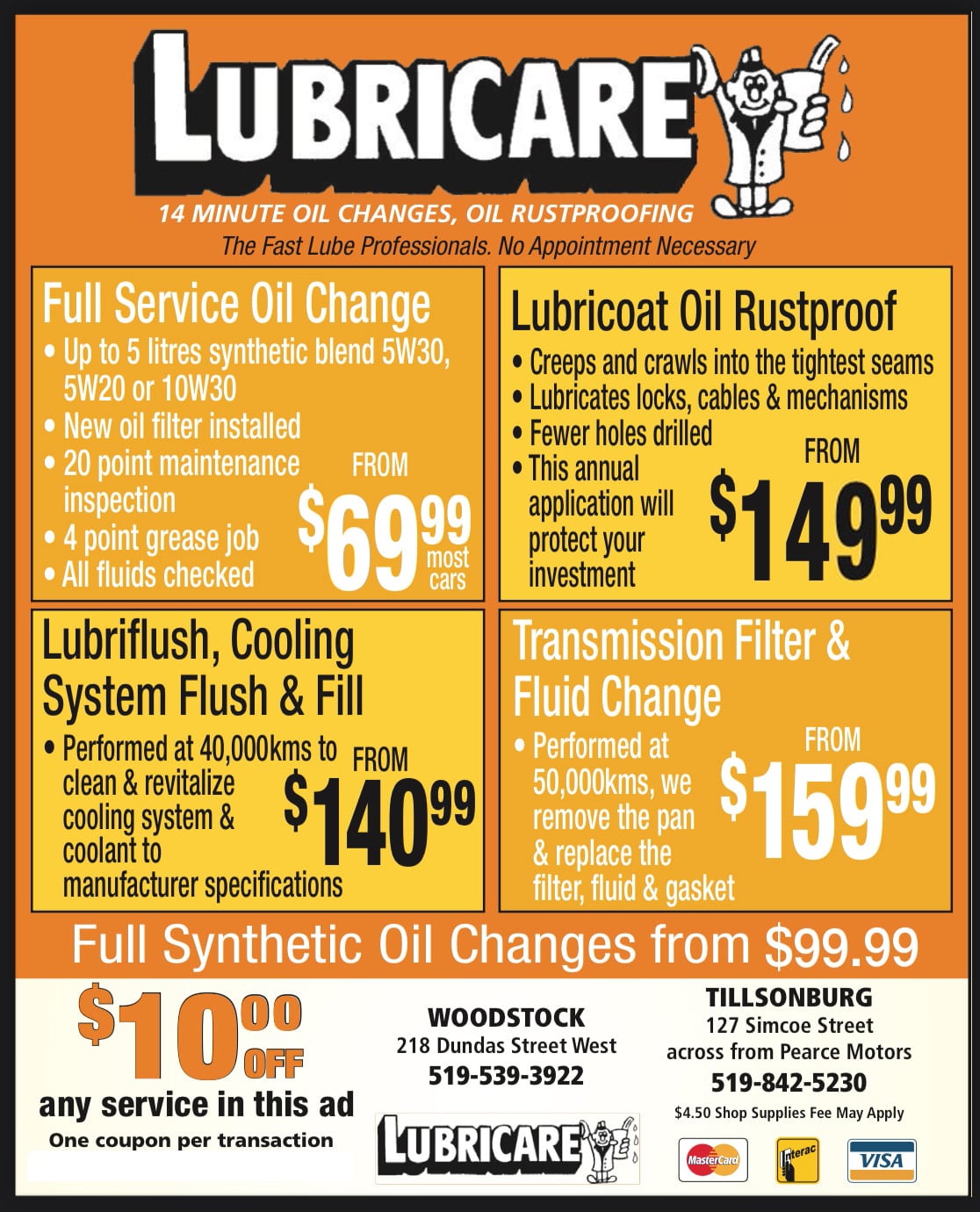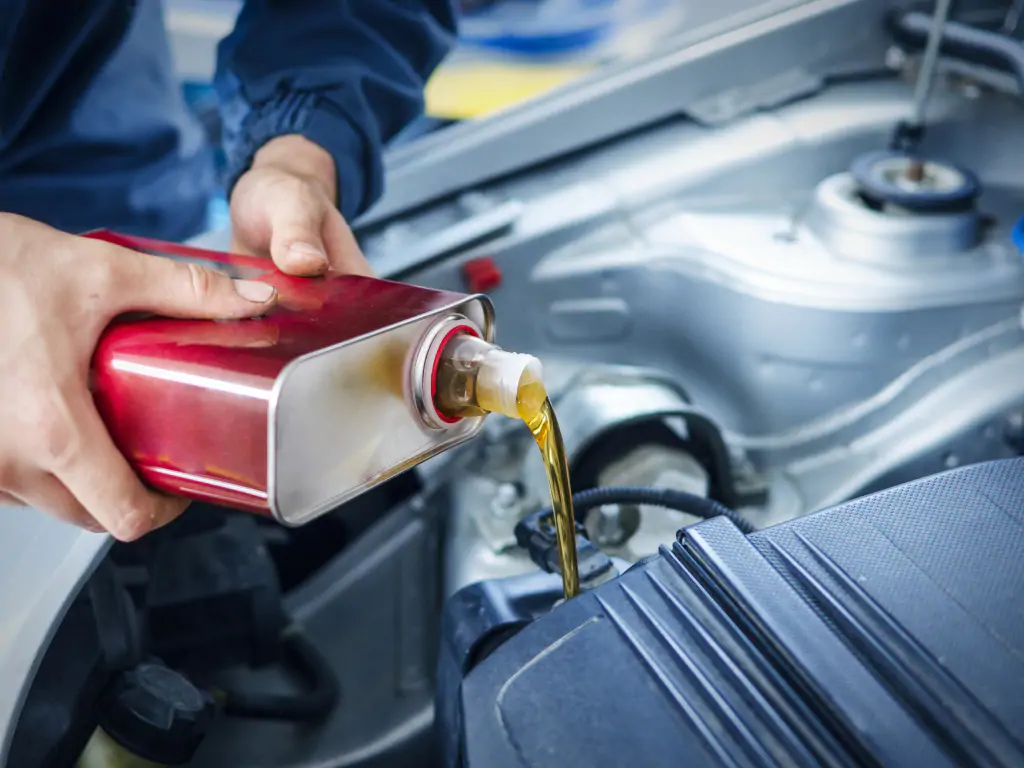
Owning a car comes with a set of responsibilities, and one of the most essential aspects of maintaining your vehicle’s longevity and performance is regular oil changes. Lubricare, in Woodstock, Ontario, provides oil change services that can help keep your car running smoothly. Whether you’re a novice or simply looking for more information, this article will provide you with valuable insights into the importance of oil changes and guide you through the process of finding the right service provider.
Introduction:
Many car owners underestimate the significance of regular oil changes, but they are crucial for the overall health and performance of your vehicle. Oil serves as the lifeblood of your engine, lubricating the components, reducing friction, and carrying away heat. Over time, however, oil breaks down and loses its effectiveness, becoming contaminated with dirt, sludge, and other debris.
Neglecting oil changes can result in a wide range of issues, including reduced fuel efficiency, increased engine wear and tear, overheating, and even engine failure. To avoid engine problems and to ensure that your car operates at its best, it’s essential to seek professional oil change services at Lubricare in Woodstock, Ontario.
10 Points to Keep Your Car Running Smoothly
- Choose a Reliable Service Provider:
- Look for certified mechanics or established repair shops in Woodstock, Ontario, offering oil change services.
- Ask for recommendations from friends, family, or neighbours who have had positive experiences with reliable service providers in the area.
- Check online reviews and ratings to gauge customer satisfaction.
- Ensure that the service provider uses high-quality oil and filters.
- Follow the Manufacturer’s Recommendations:
- Refer to your vehicle’s owner’s manual to determine the recommended oil change intervals.
- Adhere to the manufacturer’s guidelines for oil viscosity and type (conventional, synthetic, or blend).
- Factors such as climate, driving conditions, and mileage may require more frequent oil changes.
- Check the Oil Level Regularly:
- Familiarize yourself with the location of the oil dipstick in your car.
- Park on level ground, let the engine cool down and then remove the dipstick to check the oil level.
- Ensure that the oil level falls between the minimum and maximum marks on the dipstick.
- If the oil level is low, add the recommended oil type until it reaches the proper level.
- Understand the Oil Change Process:
- When you visit an oil change service, the mechanic will drain the old oil from your engine.
- They will then replace the oil filter to ensure optimum filtration and clean oil circulation.
- After filling your engine with fresh oil, they will check for any leaks or issues.
- Consider Synthetic Oil:
- Synthetic oil offers superior lubrication and better protection against engine wear and tear.
- It performs well under extreme temperatures and has a longer lifespan compared to conventional oil.
- While synthetic oil is generally more expensive, it can be a worthwhile investment for certain vehicles, especially those with high-performance engines.
- Timing Belt and Filters Inspection:
- During an oil change, it’s an opportune time to inspect other vital components, such as the timing belt, air filter, and cabin filter.
- A worn-out timing belt can cause significant engine damage, so having it inspected by a professional is crucial.
- A clean air filter ensures optimal engine performance, while a clean cabin filter enhances the air quality inside your vehicle.
- Consider Additional Fluids and Filters:
- In addition to oil, other fluids like coolant, transmission fluid, and brake fluid may also require regular checks and replacements.
- Consult your vehicle’s manual or a professional mechanic to determine the appropriate intervals for these fluids.
- Filters for the air conditioning system, fuel system, and power steering should also be inspected regularly.
- Educate Yourself:
- Familiarize yourself with the signs of low or dirty oil, such as decreased engine performance, increased engine noise, or the appearance of warning lights on the dashboard.
- Understanding these signs and promptly addressing them can prevent further engine damage.
- Keep Track of Oil Change Intervals:
- Maintain a log or use a mobile app to track your oil change intervals.
- This will help you stay organized and ensure that you never miss a crucial service.
- Don’t Neglect Maintenance:
- Regular oil changes are just one part of overall vehicle maintenance.
- Follow recommended service intervals for other maintenance tasks, such as tire rotations, brake inspections, and engine tune-ups.
Conclusion
Regular oil changes are an integral part of keeping your car running smoothly and efficiently. By choosing a reliable service provider, following the manufacturer’s recommendations, and staying on top of maintenance tasks, you can ensure the long-term health of your vehicle. By addressing oil changes promptly, you can avoid costly repairs and extend the lifespan of your engine.
Remember, the key to a well-maintained vehicle lies in proactive care. So, take action today and schedule your next oil change service with Lubricare, your reputable service provider in Woodstock, Ontario.
Contact us now to schedule your oil change service:
- Name: Lubricare
- Address: Woodstock and Tillsonburg
- Phone: 519-539-3922
- Email us at borland16@live.ca
- Visit our website at lubricare.ca
“Keep your car running efficiently with professional oil change services in Woodstock, Ontario”
FAQs
-
A1: Regular oil changes ensure proper lubrication, reduce engine wear, improve fuel efficiency, and prevent costly repairs.