Premise
Automotive preventative maintenance is frequently treated as a reactive necessity rather than a proactive discipline. Motorists habitually defer the assessment of critical visibility components, such as windshield wiper blades and washer fluid delivery systems, until caught in severe meteorological disruptions. This article argues that evaluating your vehicle’s structural integrity, fluid levels, and driver-assist safety systems before seasonal weather shifts is essential for highway safety, economic efficiency, and operational reliability.
Introduction
Modern driving environments demand split-second decision-making, where over ninety percent of a driver’s reaction capacity depends entirely on visual input. Despite this absolute reliance on clear sightlines, windshield wipers are among the most neglected safety features on contemporary vehicles, often left to degrade until an intense downpour, blinding snowstorm, or thick highway slush forces a crisis. Waiting for atmospheric volatility to test the efficacy of your wiper blades is a high-risk operational gamble that compromises reaction time, escalates stopping distance, and endangers everyone on the road. Ultraviolet radiation, ozone exposure, temperature extremes, and airborne pollutants continuously degrade rubber compounds regardless of usage, transforming pliable blades into rigid, ineffective instruments over a matter of months.
To truly safeguard a vehicle against the elements, drivers must adopt a comprehensive inspection framework that views visibility not as an isolated asset, but as an interconnected byproduct of total vehicular health. A single component failure—whether an obscured windshield, a drop in hydraulic pressure, or a compromised suspension joint—can amplify risk exponentially under adverse driving conditions. This reality underscores the immense value of regular, comprehensive maintenance regimes, such as the meticulous multi-point vehicle checks seamlessly bundled with routine preventative maintenance. By executing a rigorous seasonal assessment, motorists can identify latent weaknesses across all mechanical systems before they manifest as catastrophic on-road failures.
1. The Science of Rubber Degradation and Atmospheric Wear
Windshield wiper blades are manufactured from complex elastomer compounds designed to maintain a clean, streak-free sweep across curved automotive glass. However, these organic materials begin deteriorating from the moment they leave the factory due to continuous exposure to environmental stressors. UV rays cross-link polymer chains, leading to micro-cracking and loss of flexibility, while seasonal temperature swings cause the material to expand and contract until it warps or splits.
- Sub-points:
- Ultraviolet Radiation Impact: Solar radiation alters the chemical bonds of the blade compound, turning soft, compliant rubber into a brittle, inelastic substance that skippingly chatters across the glass surface.
- Thermal Fluctuations: Moving from scorching summer heat to freezing winter temperatures causes severe stress, causing the structural body of the blade to warp out of its engineered curvature.
- Ozone and Pollutant Interaction: Airborne ozone reacts directly with elastomers, breaking chemical bonds and causing deep microscopic splits along the ultra-fine contact edge.
- Acid Rain and Chemical Etching: Industrial fallout and acidic precipitation deposit harsh chemical residues that slowly corrode the wiper edge, destroying its clean squeegee profile.
- Physical Debris Abrasion: Dust, pollen, road grit, and microscopic organic material collect on the glass, acting like sandpaper that wears down the precise wiping edge over time.
- Micro-Fissure Development: Subtle, invisible cracks spread rapidly under structural load, eventually splitting the blade element entirely during high-speed operation.
- Loss of Profile Flexibility: As rubber ages, it loses its elastic memory and fails to conform to the changing curvature of modern aerodynamic windshields, leaving large patches untouched.
2. Human Factors: Reaction Velocity and Visual Ergonomics
Operating a motor vehicle at highway velocities involves processing millions of visual inputs every minute. When a windshield is smeared or obscured by poor wiper performance, the brain must work significantly harder to identify hazards, leading to a dramatic drop in cognitive processing and spatial awareness. This visual strain delays reaction time by crucial fractions of a second—which translates directly into dozens of additional feet of stopping distance before the brakes are applied.
- Sub-points:
- Delayed Hazard Identification: Streaking and smearing hide sudden brake lights, pedestrian movements, and road hazards until they are dangerously close.
- Cognitive Fatigue Escalation: Forcing your brain to constantly interpret a distorted, rain-blurred field of view quickly causes mental exhaustion and drastically lowers overall driver alertness.
- Diffraction of Headlight Glare: Water droplets left behind by worn blades bend oncoming headlights into blinding bursts of light, causing severe temporary night blindness.
- Spatial Orientation Disruption: A distorted or smeared windshield warps your depth perception, making it difficult to accurately judge the speed and distance of surrounding traffic.
- Peripheral Vision Degradation: Ineffective wipers usually clear only a small center section of the glass, severely cutting down the driver’s peripheral awareness of merging cars or hazards.
- Psychological Stress Induction: Struggling to see through a heavy downpour triggers an immediate spike in heart rate and anxiety, which impairs critical decision-making under pressure.
- Stopping Distance Extension: A fraction-of-a-second delay in spotting a hazard due to poor visibility means a car traveling at high speed will travel several critical car lengths further before braking.
3. The Windshield Fluid Ecosystem and Delivery Network
Perfect visibility requires much more than just functioning rubber blades; it relies on an entire fluid delivery network that must work perfectly in tandem. Washer pumps, distribution lines, spray nozzles, and the chemical composition of the fluid itself must all be maintained at peak performance. Neglecting this delivery system often leads to clogged sprayers or frozen lines right when you need to clear blinding road salt, mud, or insect debris immediately.
- Sub-points:
- Nozzle Calcification and Blockages: Dissolved minerals in tap water or cheap fluid create crusty deposits that narrow or completely block the fine spray nozzles.
- Pump Mechanical Failures: Running the washer system with an empty reservoir or using degraded fluid can burn out the delicate internal electric pump motors.
- Hose Cracking and Fluid Leaks: The flexible rubber and plastic lines running through the hot engine bay become brittle over time, cracking and leaking fluid before it ever reaches the glass.
- Chemical Solvent Selection: Using the wrong fluid type can cause intense streaking, strip away glass treatments, or fail completely to break down bugs, grease, and road film.
- Seasonal Thermal Protection: Summer fluid blends will freeze solid in cold temperatures, which can crack the plastic reservoir tank, lines, and expensive pump bodies.
- Check Valve Failure: Small inline valves can stick or fail, allowing fluid to drain back into the reservoir and causing a dangerous multi-second delay when you pull the lever.
- Spray Pattern Misalignment: Over time, highway vibrations can knock nozzles out of alignment, causing them to shoot fluid completely over the vehicle rather than coating the glass.
4. Fluid Dynamics and the Interconnected Mechanical Systems
A vehicle is an intricate ecosystem where a failure in one system can directly impact another. For example, engine health, vacuum systems, and electrical currents all play a critical role in keeping your visibility clear. A malfunctioning Positive Crankcase Ventilation (PCV) valve or an undiagnosed oil leak can vent microscopic oil mist into the engine bay, which then flows over the exterior cowl and coats your windshield and wipers in a stubborn, smeary film.
- Sub-points:
- PCV Valve Mist Pollution: A worn or blocked PCV valve alters crankcase pressures, venting fine oily vapors that coat the windshield in a film that wipers cannot easily clear.
- Alternator Volumetric Output: A weak charging system can cause wiper motors to run sluggishly, leaving them unable to push away heavy snow or torrential rain effectively.
- Vacuum Hose Disruption: On older vehicles, cracked vacuum lines directly degrade the operation of vacuum-operated climate control doors and wiper control systems.
- Engine Thermal Contamination: Small oil leaks can drip onto hot engine parts, vaporizing into a greasy residue that settles on the wiper rubber and ruins its performance.
- Battery Terminal Resistance: Corroded battery connections create high electrical resistance, lowering the voltage sent to the high-draw electric wiper motors.
- Under-hood Temperature Spikes: Dirty engine oil or low coolant levels cause the engine bay to run excessively hot, accelerating the dry-rotting of nearby wiper components.
- Auxiliary Belt Slippage: A worn or loose serpentine belt can slip under heavy loads, causing temporary power drops to the alternator and slowing down the wiper arms.
5. Thermal Exchange and Internal Environmental Control
Clearing your field of vision requires managing both the inside and the outside of the glass simultaneously. The vehicle’s heating, ventilation, and air conditioning (HVAC) system must work perfectly alongside your wipers to prevent interior fogging and defrost exterior ice. A clogged cabin air filter or a low coolant level can cripple your defroster’s ability to clear moisture from the cabin, leaving you blind regardless of how fast your wipers are moving.
- Sub-points:
- Cabin Filter Airflow Restriction: A cabin air filter packed with dust and debris chokes off airflow, making it incredibly difficult for the defroster to clear away glass-fogging moisture.
- Coolant Level and Core Exchange: Low engine coolant starves the heater core of the hot fluid it needs to warm the air and melt dangerous ice buildup on the outside of the windshield.
- Mold Accumulation on Coils: Moisture trapped in a dirty cabin filter or HVAC housing breeds mold, blowing unpleasant odors and allergy-inducing spores into the cabin.
- Humidity Management Deficiencies: A malfunctioning air conditioning compressor fails to dehumidify the incoming air, causing the inside of the windows to fog up instantly in damp weather.
- Actuator Door Malfunctions: Brittle, broken, or stuck climate control doors can trap the HVAC system in the wrong mode, stopping air from reaching the defrost vents altogether.
- Blower Motor Electrical Draw: A worn, noisy blower motor pulls excessive current from the electrical system while failing to move enough air to keep the glass clear.
- Window Seal Deterioration: Damaged exterior window seals let raw rain and moisture leak straight into the vehicle interior, spiking cabin humidity and causing constant fogging.
6. Hydraulic Integrity: The Safety Net of Stopping Systems
Perfect visibility is only helpful if the vehicle’s stopping systems are ready to react when a hazard is spotted through the glass. When driving through severe weather, your braking system is pushed to its absolute limits. Contaminated brake fluid with a low boiling point, hidden fluid leaks, or low reservoir levels can cause unexpected brake fade or pedal sponginess right when you need to make an emergency stop on a wet, slick road.
- Sub-points:
- Moisture Absorption in Fluid: Brake fluid naturally absorbs water over time, which drastically lowers its boiling point and leads to dangerous brake fade during heavy stopping.
- Master Cylinder Seal Failure: Internal leaks within the master cylinder can cause a sudden, terrifying drop in hydraulic stopping pressure without showing any external leaks.
- Caliper Line Compromise: Rusted metal lines or dry-rotted rubber brake hoses can swell, leak, or burst open completely under panic braking conditions.
- Pedal Feedback Sponginess: Air bubbles trapped inside contaminated brake fluid create a soft, spongy pedal feeling and significantly delay when the brakes actually bite.
- Boiling Point Degradation: Old, dark brake fluid can boil under the intense heat of emergency braking, leaving you with zero stopping power when you need it most.
- ABS Hydraulic Block Interference: Microscopic debris suspended in dirty brake fluid can clog the ultra-fine valves inside the Anti-lock Braking System (ABS) controller.
- Reservoir Depletion Tracking: A steadily dropping brake fluid level is a critical warning sign of either a dangerous fluid leak or severely worn brake pads.
7. Structural Linkages and Steering Geometry Control
Maintaining control of your vehicle in slippery, low-visibility conditions requires tight, precise steering alignment. Critical steering components like tie rods and stabilizer links must be free of excess play or wear to keep the tires pointing exactly where you intend. Worn steering joints allow the wheels to wander, making the vehicle incredibly unstable and difficult to control when hit by sudden crosswinds or pooling water on the highway.
- Sub-points:
- Tie Rod End Slack: Worn tie rod ends introduce loose play into the steering wheel, causing the vehicle to wander dangerously and making precise steering corrections impossible.
- Stabilizer Link Wear: Degraded sway bar links allow the vehicle body to lean and roll excessively when cornering or navigating sharp, emergency lane changes.
- Alignment Setting Shifts: Loose or worn front-end parts ruin your wheel alignment, causing uneven tire wear and pulling the car toward the ditch.
- Hydroplaning Vulnerability: Sluggish, loose steering linkages make it incredibly difficult to feel the road and regain control if the front tires begin to hydroplane on standing water.
- Joint Boot Ruptures: Cracked rubber boots let water and road grime directly into steering joints, washing out the grease and causing rapid mechanical wear.
- Steering Rack Instability: Worn mounting bushings let the entire steering rack shift out of place, creating a loose, unpredictable feel at the steering wheel.
- Feedback Dampening Loss: Worn out suspension components stop absorbing road impacts, sending harsh vibrations up the steering column that fatigue the driver.
8. Drivetrain Resilience: Rotational Management and Power Transfer
To drive safely through heavy rain or winter storms, your vehicle’s drivetrain must distribute power smoothly and reliably to the road. Component failures like torn Constant Velocity (CV) boots, low differential fluid, or neglected transfer case fluid can lock up or self-destruct under stress. Keeping these specialized gear oils and protective boots inspected ensures your traction control and all-wheel-drive systems can safely pull you through slippery conditions.
- Sub-points:
- CV Boot Tear Contamination: A torn CV boot allows road water and grit to instantly ruin the high-speed joint, leading to a sudden and expensive axle failure.
- Front Differential Lubrication Failure: Low or water-contaminated fluid in the front differential causes intense friction, overheating, and eventual gear lockup.
- Rear Differential Gear Wear: Neglecting rear differential fluid changes leads to rapid bearing wear and gear chipping, especially when towing or driving in deep snow.
- Transfer Case Fluid Breakdown: Old, broken-down transfer case fluid prevents smooth four-wheel-drive engagement, leaving you stranded without traction when a storm hits.
- Transmission Fluid Thermal Breakdown: Old, oxidized transmission fluid causes rough shifting, slipping gears, and catastrophic internal transmission damage under heavy load.
- Viscous Coupler Overheating: Mismatched fluids or neglected maintenance can burn out the delicate internal clutches of all-wheel-drive systems.
- Drive Axle Seals Leaking: Worn, leaking axle seals slowly drain vital gear oil from differentials, creating a hidden hazard that leads to sudden mechanical failure.
9. Contact Patch Optimization: Tire Pressure and Exhaust Safety
Your tires are the only four points of contact between your vehicle and the wet, slick road surface. Correct tire inflation is absolutely critical; even a minor drop in pressure alters the tire’s footprint, making it unable to channel away water and drastically increasing your risk of hydroplaning. At the same time, a rusted, leaking exhaust system can allow dangerous carbon monoxide gas to seep into a tightly sealed cabin during long, slow winter commutes.
- Sub-points:
- Hydroplaning Channel Collapse: Under-inflated tires cause the center of the tread to bow inward, trapping water underneath the tire rather than sweeping it away.
- Tread Wear Acceleration: Incorrect tire pressure creates uneven contact with the road, wearing out the shoulders or the center of your expensive tires prematurely.
- Exhaust Pipe Fracture Leaks: Rust holes or cracks in exhaust pipes let hot, toxic exhaust gases escape right underneath the passenger cabin.
- Carbon Monoxide Accumulation: A leaking exhaust combined with sitting in slow storm traffic can allow odorless, deadly carbon monoxide to enter the cabin through the climate vents.
- Hanger Failure Displacement: Broken, rusted exhaust hangers let heavy exhaust pipes sag down, risking dragging on the road or ripping away entirely.
- Muffler Baffle Failure: Rusted internal muffler parts can break loose and block exhaust flow, causing a sudden loss of engine power and severe overheating.
- Fuel Economy Penalty: Running on soft, under-inflated tires increases rolling resistance, forcing the engine to burn significantly more fuel just to stay moving.
10. The Economic Advantage of Proactive Inspection Frameworks
The most cost-effective approach to vehicle maintenance is catching wear and tear early before it can snowball into a major, expensive emergency. Opting for a comprehensive multi-point inspection alongside every routine oil change allows professional technicians to spot failing wiper blades, low fluids, and worn suspension parts long before they leave you stranded on the side of the highway or result in an expensive repair bill.
- Sub-points:
- Emergency Towing Cost Avoidance: Catching a failing part in the shop means you avoid the high cost, stress, and danger of breaking down on a busy highway.
- Component Degradation Cascade Prevention: Replacing a simple, inexpensive part like a torn rubber boot saves you from having to replace an entire expensive axle assembly later.
- Resale Value Preservation: Keeping a meticulous, detailed service history of regular inspections significantly increases your vehicle’s value when it comes time to sell or trade it in.
- Fuel Management Efficiency: Keeping filters clean, tires properly inflated, and fluids fresh ensures your engine runs at peak efficiency, saving you money at the pump.
- Diagnostic Labor Savings: Catching minor wear during a routine oil change inspection eliminates the need for expensive, dedicated diagnostic shop time later down the road.
- Warranty Compliance Protection: Sticking to a documented, comprehensive maintenance schedule protects your manufacturer or aftermarket vehicle warranty from being denied.
- Peace of Mind Insurance: Knowing that a professional technician has inspected every critical system gives you total confidence when heading out into any severe weather.
Conclusion
Operating a motor vehicle safely in unpredictable weather requires a shift from reactive repairs to proactive maintenance. Windshield wipers and visibility systems are not isolated accessories; they are critical safety components that are deeply connected to your vehicle’s electrical, mechanical, and hydraulic health. Waiting until you are trapped in a blinding downpour or a freezing winter storm to find out your wipers are dry-rotted or your washer pump is clogged is a dangerous mistake that can easily be avoided.
True driving safety means ensuring that every single system—from the rubber blades clearing your windshield to the brake fluid stopping your wheels and the suspension steering your path—is completely ready for the road ahead. Motorists can achieve this complete confidence by choosing a comprehensive service provider that goes far beyond a simple oil swap. Embracing a thorough, professional vehicle check ensures that your car remains a reliable, safe shield against whatever weather the seasons bring your way.
Contact Us Today
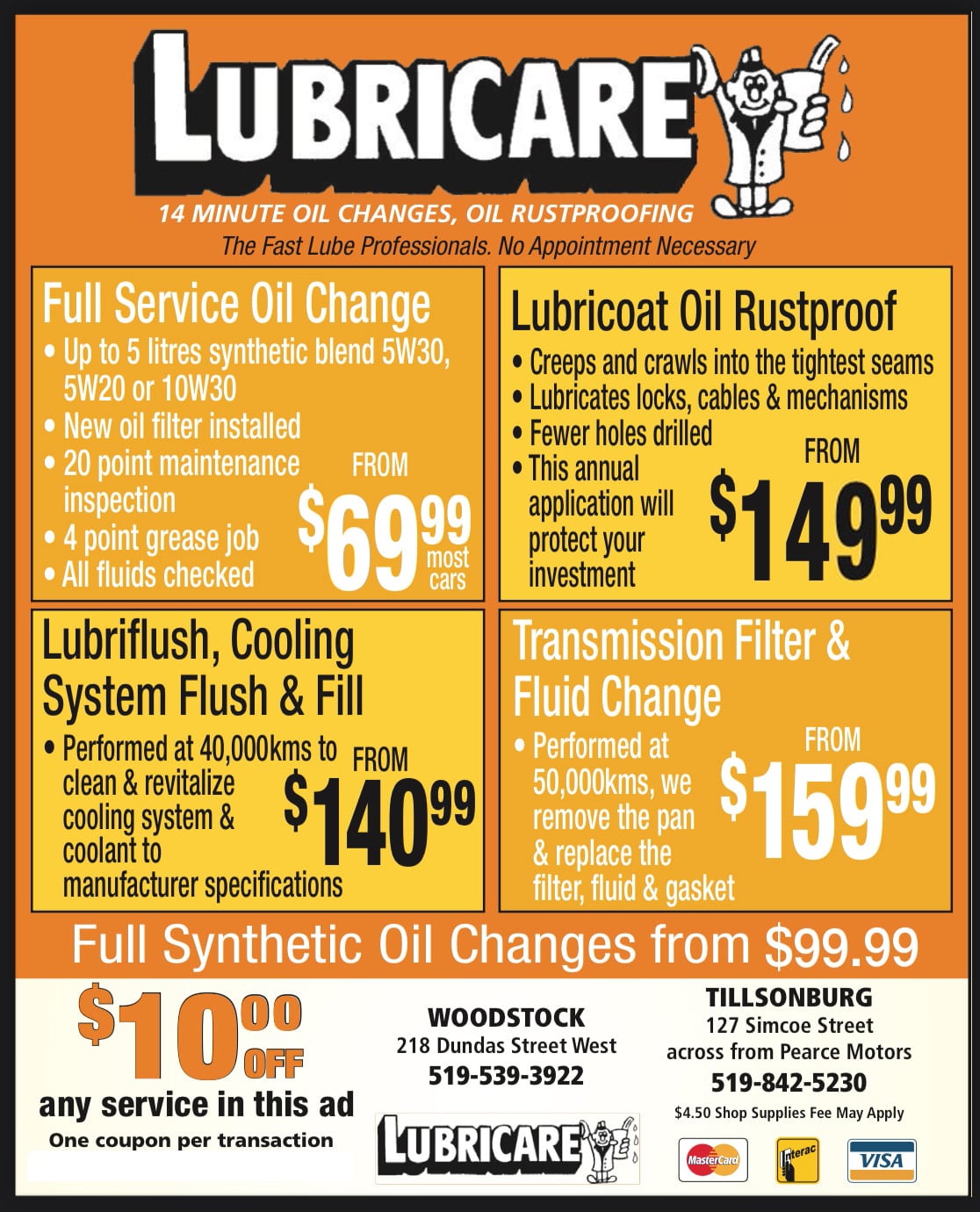
Schedule Your Proactive Pre-Season Inspection Today Do not wait for a dangerous storm to reveal the hidden weaknesses in your vehicle. At Lubricare, every single oil change comes bundled with our exhaustive 20-Point Vehicle Inspection. Our professional technicians will carefully evaluate your Air Filter, PCV Valve, Brake Fluid Level, Power Steering Level, Coolant Level, Transmission Fluid Level, Washer Fluid Level, Wiper Blades, Cabin Air Filter, Belt, Tie Rods, Stabilizers, Exhaust System, CV Boots, Battery Terminals, Front Differential, Rear Differential, Transfer Case, and adjust your tire pressures to perfection. Protect your visibility, your safety, and your investment with one simple stop.
- Name: Lubricare
- Address: Woodstock and Tillsonburg
- Phone: 519-539-3922
- Email us at borland16@live.ca
- Visit our website at lubricare.ca
“Clear Vision, Safe Journeys: Don’t let the first storm of the season define your limits on the road.“
FAQs
-
A1: Windshield wiper blades should generally be replaced every six to twelve months. However, environmental factors like intense sunlight, freezing temperatures, road salt, and airborne pollutants can accelerate rubber dry-rotting, making pre-season inspections critical regardless of time elapsed.