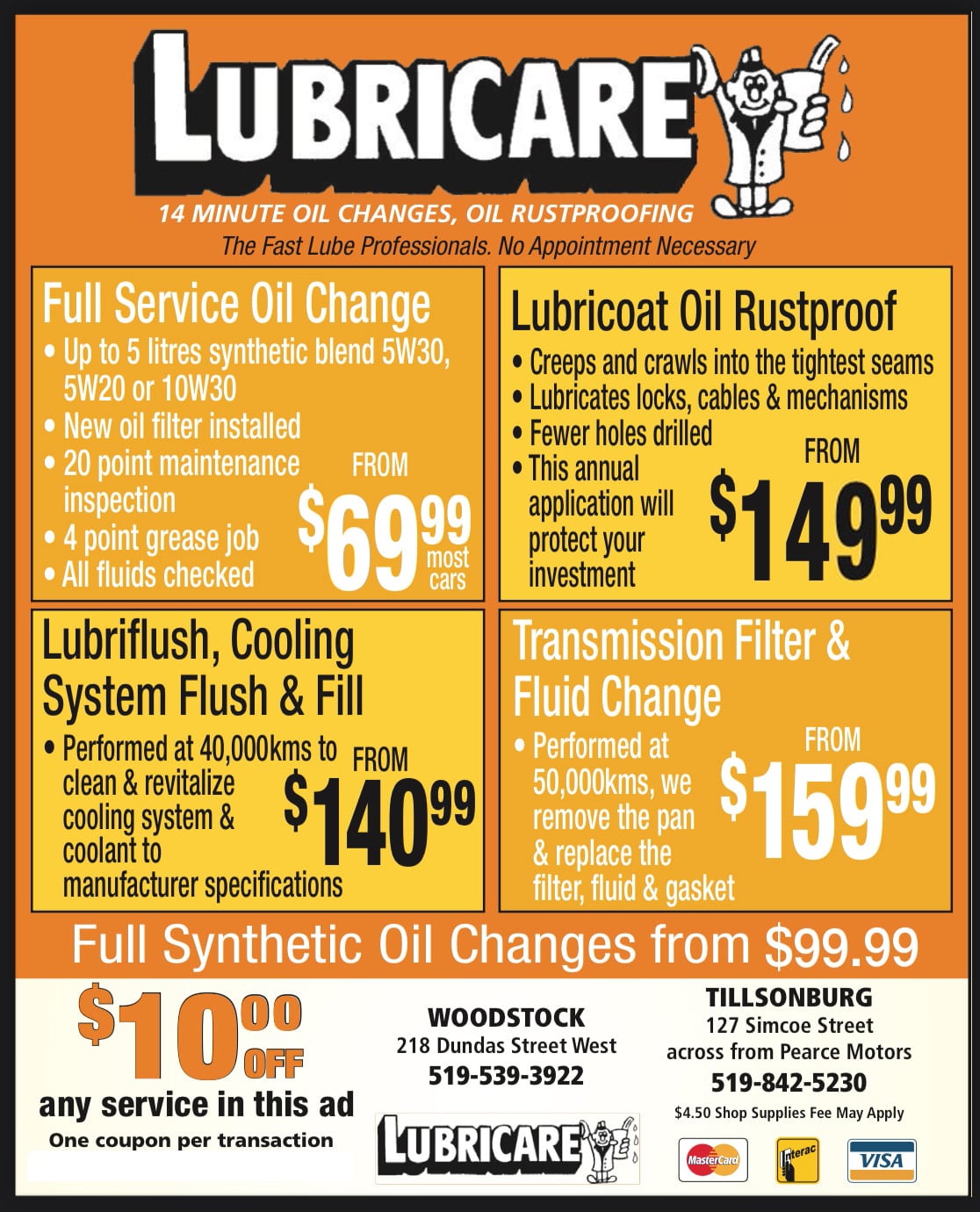
Drive Safely & Save Money: The 20-Point Vehicle Inspection That Makes a Difference
When it comes to vehicle maintenance, proactivity pays off. Not only does it ensure your safety on the road, but it can also save you from expensive repair bills in the future. Regular inspections and maintenance can extend the life of your car and improve its fuel efficiency, ultimately keeping more money in your pocket. That’s why a comprehensive 20-point vehicle inspection with each oil change is so critical.
Introduction:
While many drivers recognize the importance of regular oil changes, it’s crucial to remember that a vehicle is a symphony of moving parts, each requiring attention. A 20-point vehicle inspection serves as a thorough check-up, identifying potential issues before they escalate into costly or dangerous problems. This preventative approach not only contributes to the longevity and reliable performance of your vehicle but also to your safety and that of your passengers.
In this article, we’ll guide you through the essential 20-point vehicle inspection that should accompany every oil change, providing valuable tips to keep your vehicle running smoothly and your wallet happy.
1. Air Filter
- Inspect Visually: Check for dirt, debris, or any signs of wear.
- Recommendation Schedule: Typically replace every 12,000 to 15,000 miles.
- Performance Impact: A clean filter improves fuel efficiency and overall engine performance.
- Breathing Easy: Ensures clean air is entering the engine.
- Reduced Emissions: Helps keep emissions low by maintaining proper air-fuel ratio.
- Engine Protection: Prevents contaminants from entering and damaging the engine.
- Cost-Saving: A dirty filter can strain the engine, leading to higher fuel consumption.
2. PCV Valve
- Check Functionality: The Positive Crankcase Ventilation (PCV) valve should be checked for proper operation.
- Idle Check: A malfunctioning PCV valve can cause rough idling.
- Economic Replacement: It’s relatively inexpensive to replace and can prevent costly engine damage.
- Emission Control: It helps lower harmful emissions by recycling fumes.
- Oil Quality Preservation: Prevents oil contamination and sludge buildup.
- Fuel Economy: A working PCV valve can contribute to better fuel economy.
3. Brake Fluid Level
- Safety Priority: Brake fluid is crucial for safe braking; levels should always be adequate.
- Leak Inspection: Low levels may indicate a leak in the brake system.
- Fluid Condition: Check for any discoloration or contamination.
- Regular Replacement: Brake fluid absorbs moisture over time and should be replaced every two years.
- Pedal Responsiveness: Adequate fluid levels ensure a firm pedal feel.
- Anti-Corrosive: Maintains the internal condition of brake lines and components.
- Safety Assurance: Proper fluid levels are essential for the effectiveness of anti-lock brake systems (ABS).
4. Power Steering Level
- Steering Ease: Adequate fluid ensures smooth steering.
- Check for Leaks: A low level could be a sign of a leak in the power steering system.
- Regular Monitoring: It is recommended to check monthly to prevent steering issues.
- Prevent Noises: Adequate fluid can prevent whining or squealing when steering.
- Protect System: Regular checks help avoid wear and tear on the pump and rack.
- Prolong Component Life: Maintains the longevity of the power steering system.
- Safety: Difficulty steering can be a significant safety risk.
5. Coolant Level
- Overheating Prevention: Coolant, or antifreeze, is crucial to maintaining the engine’s temperature.
- Check When Cool: Always check coolant levels in a cool engine to avoid injury.
- Seasonal Checks: More frequent checks are advisable in extreme weather conditions.
- Dilution Ratio: Ensure proper water-to-coolant ratio for optimal performance.
- System Flush: Periodic flushing and replacement of the coolant is necessary.
- Leak Inspection: Low levels may indicate a leak that should be addressed immediately.
- Engine Health: Proper coolant levels protect the engine from corrosion and high temperatures.
6. Transmission Fluid Level
- Gear Shifting: Adequate fluid ensures smooth gear shifts and proper transmission function.
- Check While Warm: Often checked with the vehicle in neutral and after it is warmed up.
- Fluid Quality: It should be a bright red colour and not have a burnt smell.
- Leak Detection: Low levels may suggest a leak in the transmission system.
- Change Intervals: Follow manufacturer recommendations for fluid changes to prolong transmission life.
- Avoid Overfilling: Too much fluid can cause issues as well, so maintain the correct level.
- Transmission Protection: Regular checks can prevent transmission damage and costly repairs.
7. Washer Fluid Level
- Visibility Maintenance: Helps keep the windshield clear for good visibility.
- Seasonal Mix: Use an antifreeze mix in colder months to prevent freezing.
- Ease of Filling: Topping up washer fluid is simple and can be done regularly.
- Check Spray Nozzles: Ensure they are clean and properly aimed for effective use.
- Convenient Check: Can be checked and refilled at home easily.
- Regular Usage: Frequent use necessitates regular checks, especially in inclement weather.
- Safe Driving: A full reservoir ensures that you can always clear your windshield.
8. Wiper Blades
- Clean Wipe: Check for streaking or missed areas, indicating wear.
- Rubber Condition: Inspect the rubber for cracks, tears, or hardening.
- Blade Contact: Ensure the wiper blades make full contact with the windshield.
- Replacement Schedule: Typically replaced every six months to a year.
- Visibility Safety: Directly impacts your ability to see the road clearly.
- Seasonal Preparation: Consider winter blades if you live in a snowy area.
- Noise: Worn blades can be noisy, indicating it’s time for a change.
9. Cabin Air Filter
- In-Cabin Air Quality: Filters the air inside the vehicle for driver and passenger comfort.
- Allergen Reduction: Helps keep pollen, dust, and other allergens out.
- Odour Prevention: A clean filter can prevent unpleasant smells from circulating.
- HVAC Efficiency: Ensures that heating and air conditioning systems work efficiently.
- Replacement Frequency: Typically replace every 12,000 to 15,000 miles or as needed.
- Visual Inspection: Look for an excessive buildup of debris and dirt.
- Resale Value: Regular changes keep the HVAC system in good condition, which is beneficial for resale.
10. Belt
- Drive Belt/Serpentine Belt Inspection: Check for cracks, fraying, or glazing.
- Tension Check: Belts should have the proper tension and alignment.
- Noise Indicator: Squealing noises can indicate a worn or loose belt.
- Accessory Operation: Belts drive essential components like the alternator and A/C compressor.
- Prevention of Breakage: A broken belt can lead to engine overheating and loss of power steering.
- Mileage Check: Belts should be replaced every 50,000 to 100,000 miles or as per manufacturer guidelines.
- Visual Accessibility: This can typically be checked easily during an oil change.
11. Tie Rods
- Steering Components: Tie rods connect the steering system to the wheels.
- Check for Play: Any play in the tie rods can lead to poor handling and tire wear.
- Alignment Preservation: Worn tie rods can affect wheel alignment.
- Road Safety: Critical for maintaining safe vehicle steering and stability.
- Noise Inspection: Clunking noises over bumps or when turning may indicate wear.
- Visual Inspection: Look for any damage or excessive wear on the tie rod ends.
- Regular Assessment: This should be checked annually or with any signs of steering issues.
12. Stabilizers
- Stabilizer/Sway Bars: Check for integrity and bushing condition.
- Handling Improvement: Ensures stable handling and cornering.
- Noises: Worn bushings or links can cause rattles or clunks.
- Visual Check: Look for any obvious damage or wear.
- Bushing Inspection: Check for deteriorated bushings that may need replacement.
- Ride Comfort: Contributes to the smoothness of the ride.
- Safety Check: Regular checks keep the vehicle’s stability in optimal condition.
13. Exhaust System
- Leak Inspection: Check for any signs of rust or holes that could indicate leaks.
- Noise Evaluation: Excessive noise can point to issues with the muffler or pipes.
- Emission Control: Ensure the system is effectively reducing harmful emissions.
- Mount Inspection: Verify that exhaust mounts are secure and intact.
- Catalytic Converter: Check for any damage or signs of theft, as converters are often targeted.
- Performance: A well-maintained exhaust system contributes to engine efficiency.
- Safety: Prevents dangerous fumes from entering the vehicle cabin.
14. Adjust Tire Pressures
- Pressure Check: Ensure that tire pressures meet the manufacturer’s recommendations.
- Tire Wear: Correct pressure helps prevent uneven tire wear.
- Fuel Efficiency: Properly inflated tires can improve gas mileage.
- Handling and Safety: Adequate pressure contributes to better vehicle handling.
- Tire Life: Maintains tire integrity and extends its life.
- Seasonal Adjustments: Pressure may need to be adjusted with temperature changes.
- Pre-drive Check: It is recommended to check tire pressure monthly and before long trips.
15. CV Boots
- Axle Protection: CV (Constant Velocity) boots protect the CV joints from dirt and moisture.
- Grease Retainment: Make sure that the grease stays inside the joint.
- Visual Inspection: Check for cracks, splits, or leaks.
- Preventative Care: Catching a damaged boot early can prevent costly axle damage.
- Noise Indicator: A clicking noise when turning can signal a CV joint issue.
- Lubrication: Ensures the CV joints are well-lubricated for smooth operation.
- Driving Safety: A failure in the CV joint can be dangerous while driving.
16. Battery Terminals
- Corrosion Check: Inspect for any signs of corrosion or buildup that can impede power flow.
- Secure Connections: Confirm that terminals and cables are tightly connected.
- Electrical Stability: A good connection is critical for reliable starts and stable vehicle electronics.
- Cleaning: Cleaning terminals can help ensure the battery’s longevity and performance.
- Voltage Test: Test the battery to ensure it’s holding a charge appropriately.
- Insulation Check: Look for damage to cables and surrounding insulation.
- Replacement Timing: Most batteries need replacement every 3 to 5 years.
17. Front Differential – Fluid Level Check
- Fluid Inspection: Check for proper fluid levels to prevent wear on gears.
- Leak Detection: Identifying leaks early can save costly repairs.
- Fluid Condition: Look for metal particles or discoloration that can indicate wear.
- Regular Service: Differential service is often overlooked but is vital for AWD and 4WD vehicles.
- Noise Awareness: Whining or howling can indicate low fluid or worn gears.
- Change Intervals: Follow the manufacturer’s guidelines for fluid changes.
- Driving Dynamics: Properly maintained differentials contribute to smooth ride quality.
18. Rear Differential – Fluid Level Check
- Similar to Front: As with the front, ensure the rear differential fluid is at the proper level.
- Maintenance Savings: Regular checks can prevent premature differential failure.
- Symptom Recognition: Be aware of any unusual sounds or vibrations from the rear.
- Service Records: Keep track of services to maintain warranty compliance where applicable.
- Performance: A well-lubricated differential ensures optimal performance, especially in handling and towing.
- Off-Roading: For vehicles frequently used off-road or for towing, more frequent checks may be necessary.
- Environmental Checks: Different environments can affect fluid conditions and change intervals.
19. Transfer Case- Fluid Level Check
- 4WD/AWD Systems: The transfer case is central to the vehicle’s 4WD or AWD system.
- Fluid Integrity: Check for the quality of the fluid and make sure it’s free of contaminants.
- Regular Monitoring: Since this component is often used in harsh conditions, regular checks are crucial.
- Change Frequency: Follow the vehicle manufacturer’s recommendations for service intervals.
- Leak Inspection: Look for signs of leaks, as these can lead to larger issues.
- Smooth Operation: Maintains smooth shifting between driving modes.
- Durability: Proper maintenance ensures transfer case longevity.
20. Oil & Fluid Level Check
- Engine Life: Routine oil checks ensure long engine life.
- Oil Quality: Check the oil for consistency, colour, and any metal shavings.
- Top Off as Needed: Ensure oil levels are within the recommended range.
- Leak Detection: Be vigilant for any signs of oil leaks under the vehicle.
- Regular Changes: Adhere to the oil change schedule based on your car’s needs and oil type.
- Warning Lights: Take note of any engine or oil lights on the dashboard indicating issues.
- Performance: Regularly changed oil and fluids contribute to optimal vehicle performance.
Conclusion
Taking the time to undertake this in-depth 20-point vehicle inspection with every oil change is an investment in your vehicle’s health, safety, and longevity. It not only enhances the performance of your car but also contributes to a safer driving experience. Moreover, proactively addressing maintenance issues before they escalate can lead to significant cost savings on future repairs.
Consistent vehicle inspections and maintenance are hallmarks of responsible car ownership. So make sure you’re ticking these boxes to drive safely and save money in the long run.
Don’t wait for your car to tell you it’s time for a check-up. Be proactive in maintaining your vehicle’s health. Book your comprehensive 20-point vehicle inspection today!
- Name: Lubricare
- Address: Woodstock and Tillsonburg
- Phone: 519-539-3922
- Email us at borland16@live.ca
- Visit our website at lubricare.ca
“Your safety is our service – Keep your journey smooth with Lube A Car’s expert care!”
FAQs
-
A1: It’s recommended to have a full vehicle inspection with each oil change or at least twice a year.